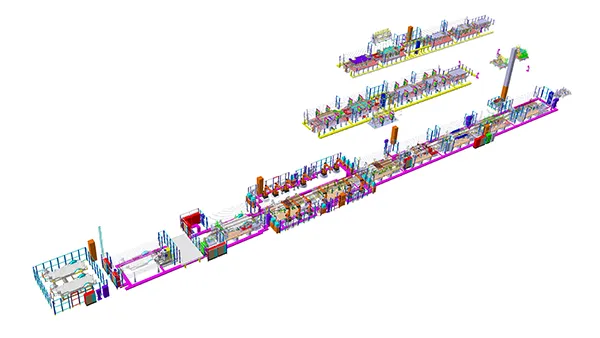
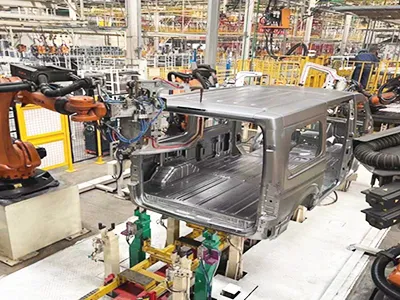
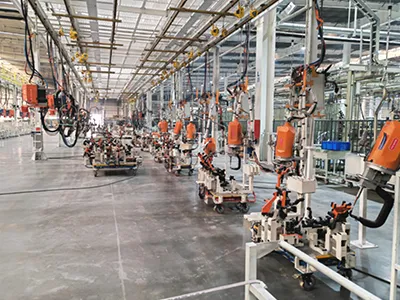
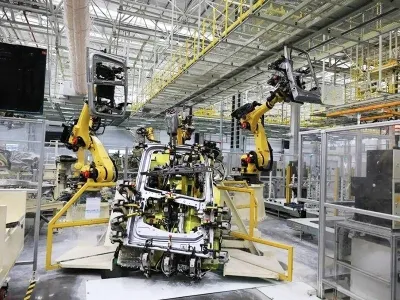
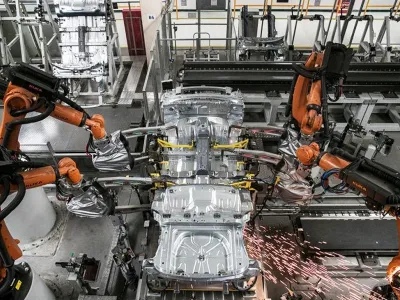
Leveraging decades of expertise and experience in large-scale project implementation, Changhong offers global clients comprehensive, one-stop BIW welding line solutions.
Welding Process
Sub-assembly Welding
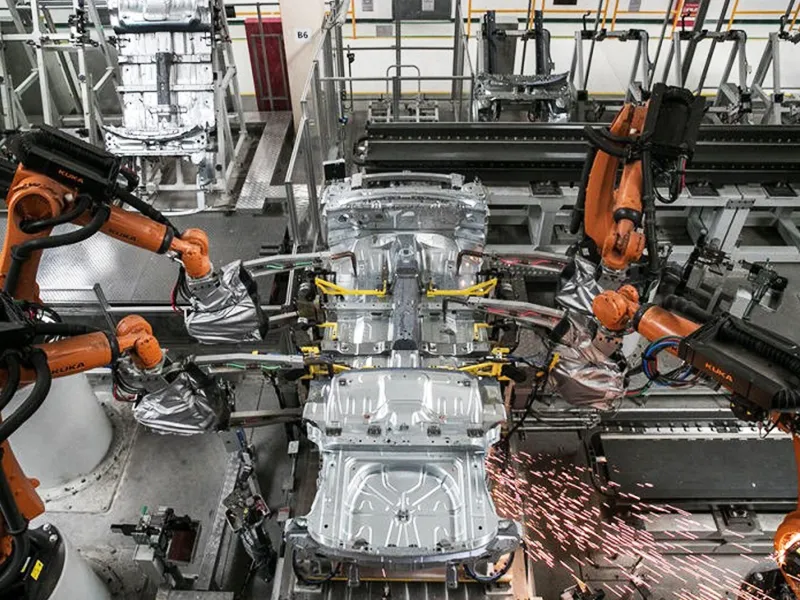
Underbody Assembly Welding
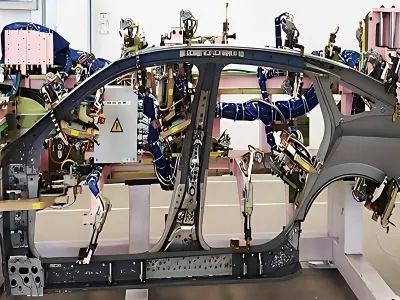
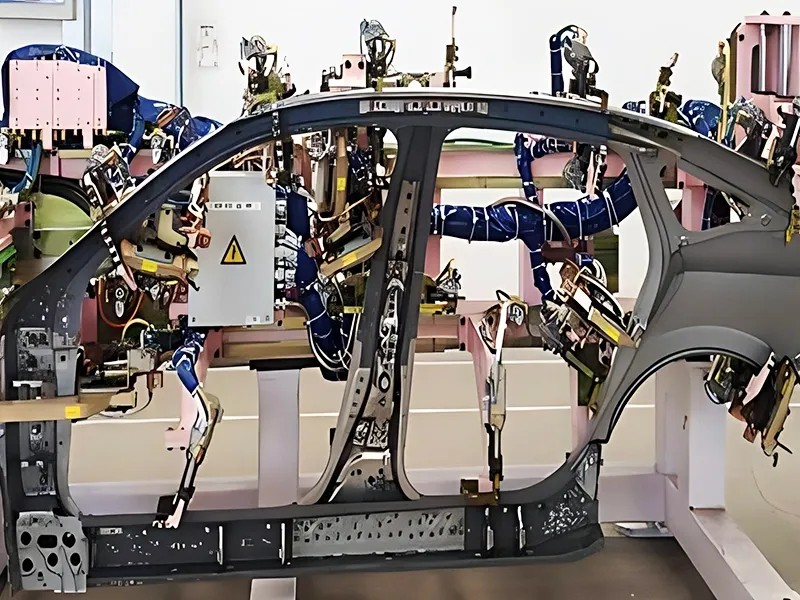
Side Panel Assembly Welding
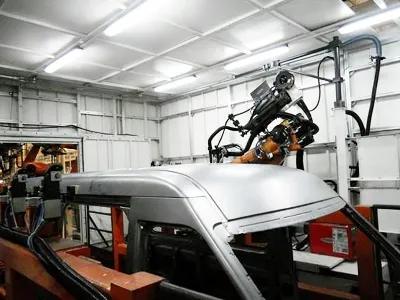
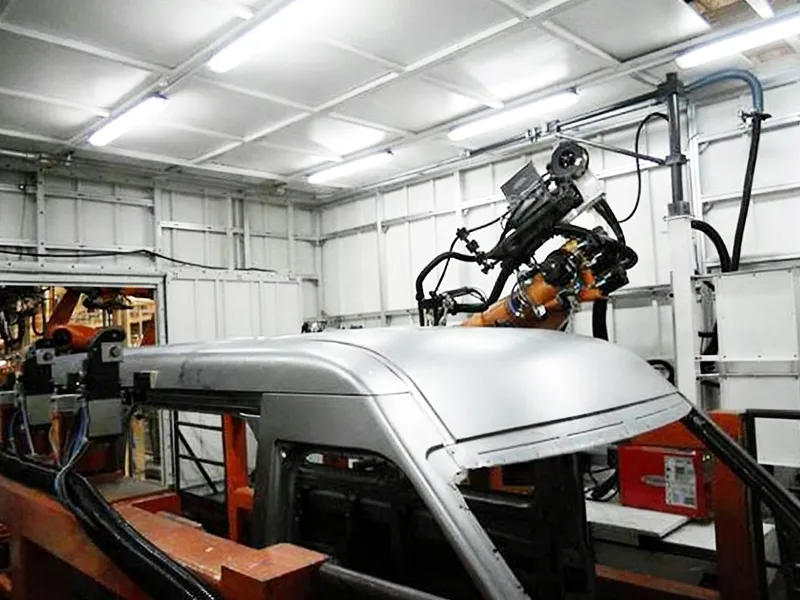
Roof Assembly Welding
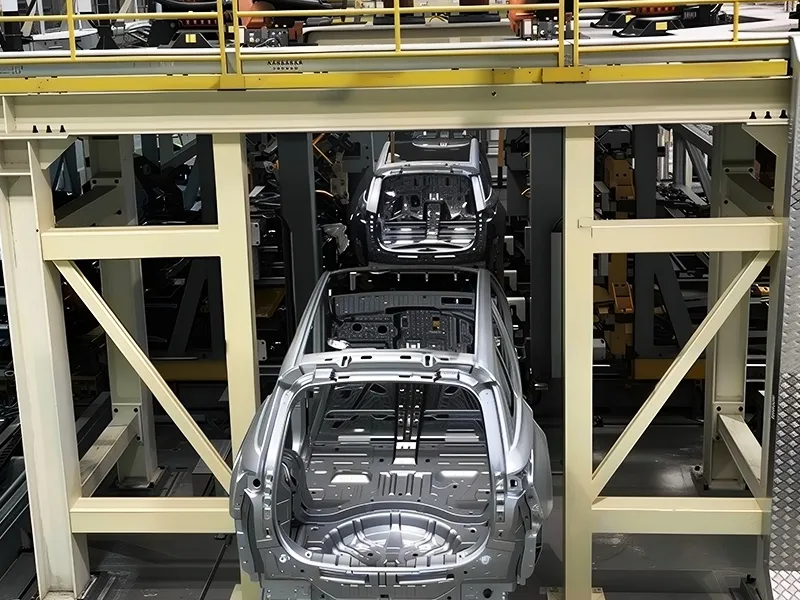
Main Line Assembly and Welding
Repair Welding and Sealing
In-line Inspection and Rectification
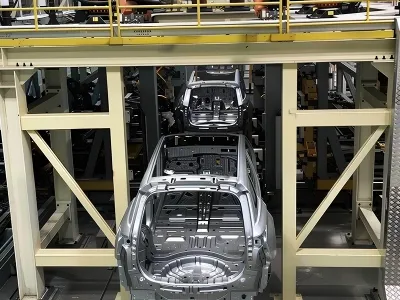
Body-in-White Roll-off
Advantages
Multi-Process Integration
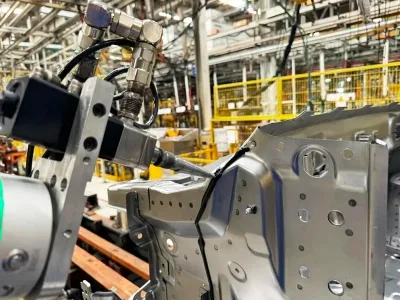
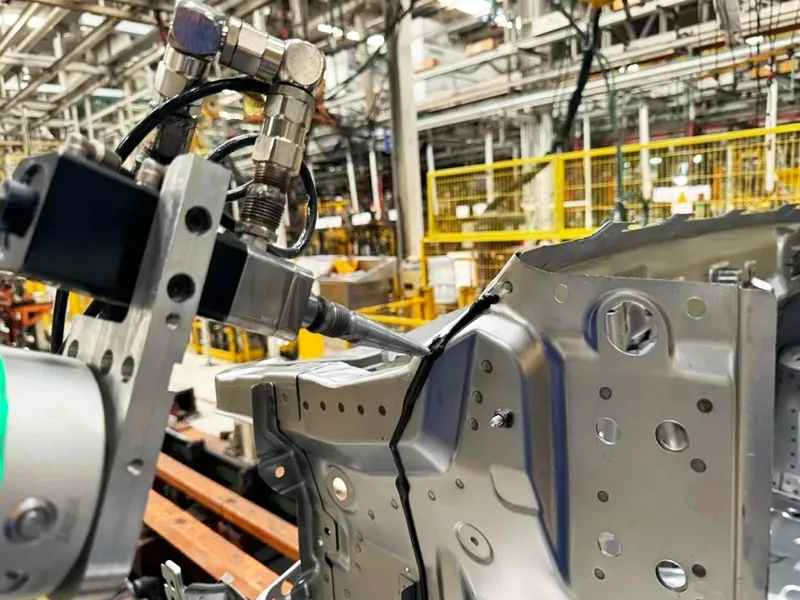
We integrate multiple welding technologies including laser welding, resistance spot welding, arc welding, self-piercing riveting (SPR), flow drilled screwing (FDS), and structural bonding. This ensures high tensile strength and durable fatigue performance for steel-aluminum dissimilar material joints.
Digital Twin Smart Manufacturing
Our digital twin system creates a 1:1 virtual 3D model of the car body. It enables real-time online data acquisition of critical welding parameters such as current, voltage, welding gun temperature, and wire feed rate. The digital twin system automatically provides closed-loop feedback and micro-adjustments to parameters in case of process anomalies.
Open-Gate Flexible Framing
Utilizing the Open-Gate framing process, we employ rapid switching of fixture modules to achieve flexible, mixed-model production of multiple vehicle types on a single line.
Online Visual Inspection
Equipped with an automated machine vision inspection system, we provide dynamic, in-line monitoring of BIW welding quality throughout the entire process. This inspection system is specifically adapted for laser welding of dissimilar steel and aluminum materials, effectively ensuring the vehicle body's structural rigidity and passive safety performance.
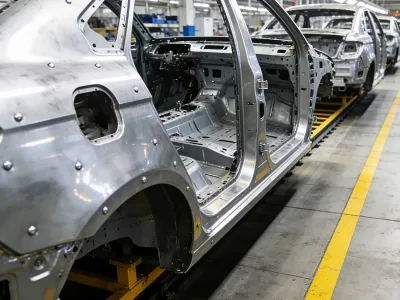
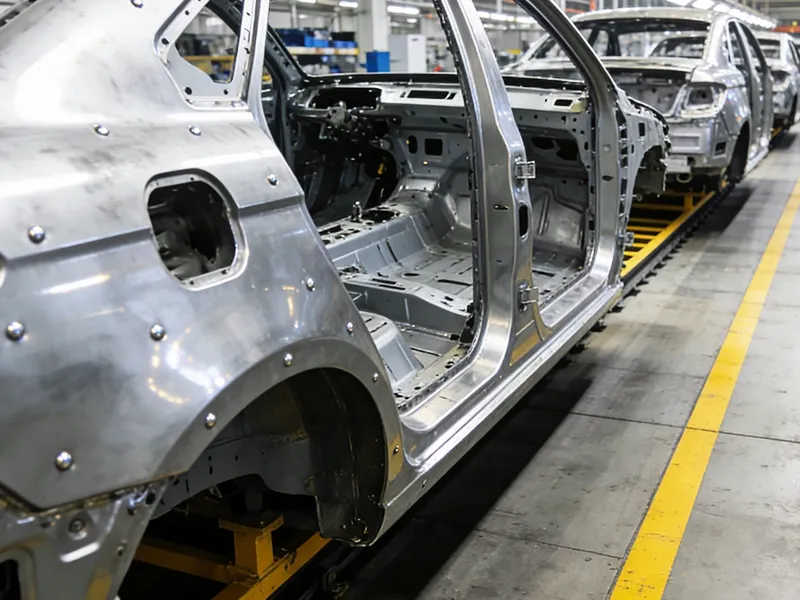
Automotive BIW Welding LineThe BIW welding line is the main welding line in the body shop, responsible for the final framing and welding of major sub-assemblies (e.g., underbody, side frames, roof, etc.) received from sub-assembly lines. It integrates all completed components to form the complete BIW structure. View products
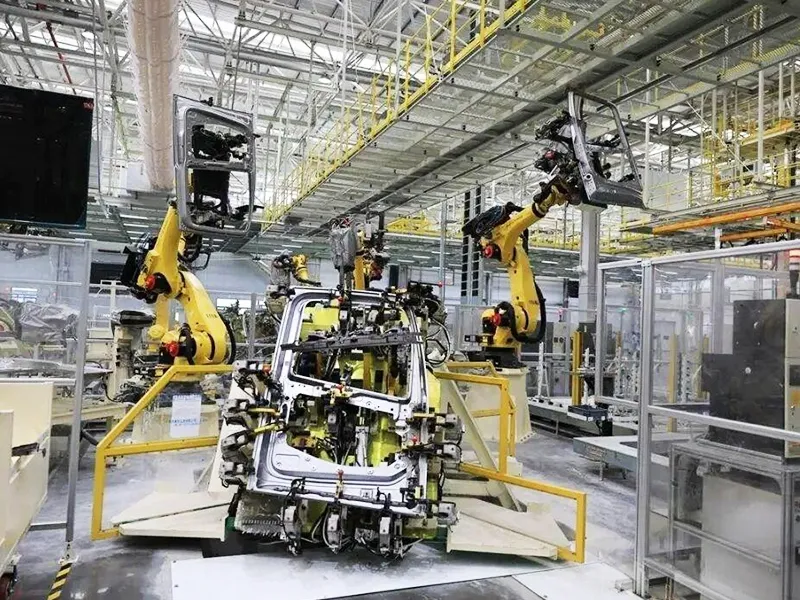
Automotive Sub-Assembly Welding LineAs modular welding line operates in the body shop, BIW sub-assembly welding line is primarily responsible for the welding and assembly of individual stamped parts. It produces various body sub-assemblies such as side panels, floor pans, front end modules, roof panels, and decklids/hoods. These sub-assemblies are then transferred to the main welding line for final framing. Sub-assembly welding line is critical for controlling body dimensional accuracy and enabling flexible production.View products
Welding Main Components
Sub-assembly Welding
Welding stamped parts into basic assemblies, including:
Floor sub-assemblies: front/rear floor panels, crossmembers, longitudinal members, etc.
Side panel sub-assemblies: A/B/C pillars, rocker panels, wheel housings, etc.
Closure sub-assemblies: doors, hoods, trunk lids.
Underbody Assembly Welding
Components such as the front floor, rear floor, and engine compartment are joined to form the lower body; creating the load-bearing structure of the vehicle's underbody, which serves as the foundation for the subsequent final body assembly.
Side Panel Assembly Welding
Complete the welding of the inner and outer side panels, ensuring the structural rigidity of the side panel and the dimensional accuracy of the door opening.
Roof Assembly Welding
The roof panel is welded to the front and rear windshield frames to form an assembly; laser welding is commonly used to ensure a smooth, even surface finish.
Main Line Assembly and Welding
Core Process: The lower vehicle body, left and right side panels, and roof are positioned within high-precision fixtures. Dozens of robots work collaboratively to perform spot welding and laser welding, creating a complete body-in-white framework with a positioning accuracy of ±0.2 mm.
Repair Welding and Sealing
Repair welds on the main assembly and apply sealant to weld seams and joints to prevent water leakage and provide sound insulation and noise reduction.
In-line Inspection and Rectification
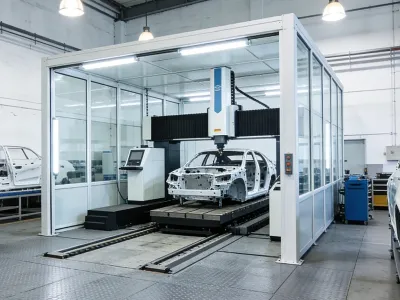
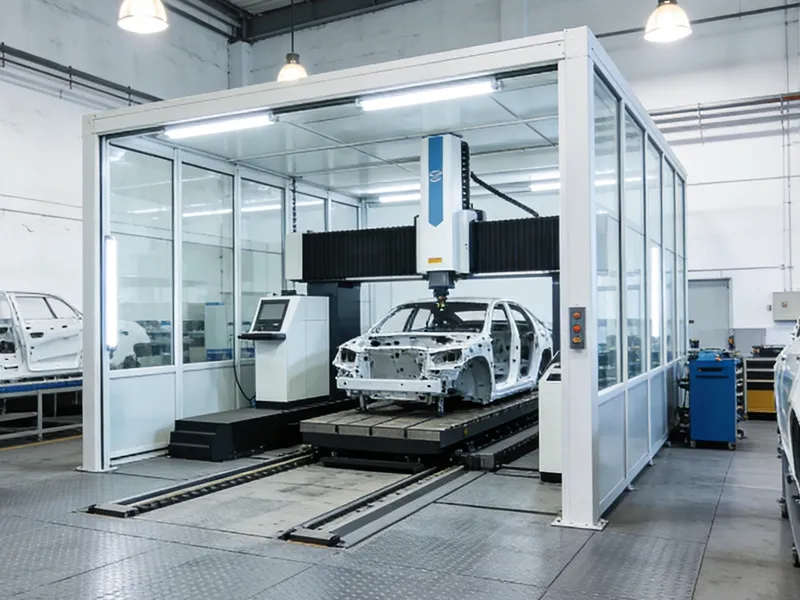
Critical dimensions and weld quality are inspected using equipment such as Coordinate Measuring Machines (CMM) and laser vision inspection systems, with manual rectification performed on areas falling outside tolerance limits.
Body-in-White Roll-off
Compliant bodies-in-white move along the conveyor line into the paint shop, while non-compliant units are routed to the rework station.
Design Qualification: Holds Class A Mechanical Industry Design Qualification issued by China’s Ministry of Housing and Urban-Rural Development - the highest level available.
Digital Capabilities: Full-plant 3D planning, complete line process design, detailed engineering, and production simulation.
International R&D Cooperation: Operates a joint R&D center in Milan, Italy, where we co-developed advanced rotational dip technologies such as Dip&Free-360 and R-EMS, already in use at multiple domestic and international automotive manufacturers.